How to Read Old Handwriting
The Short Answer
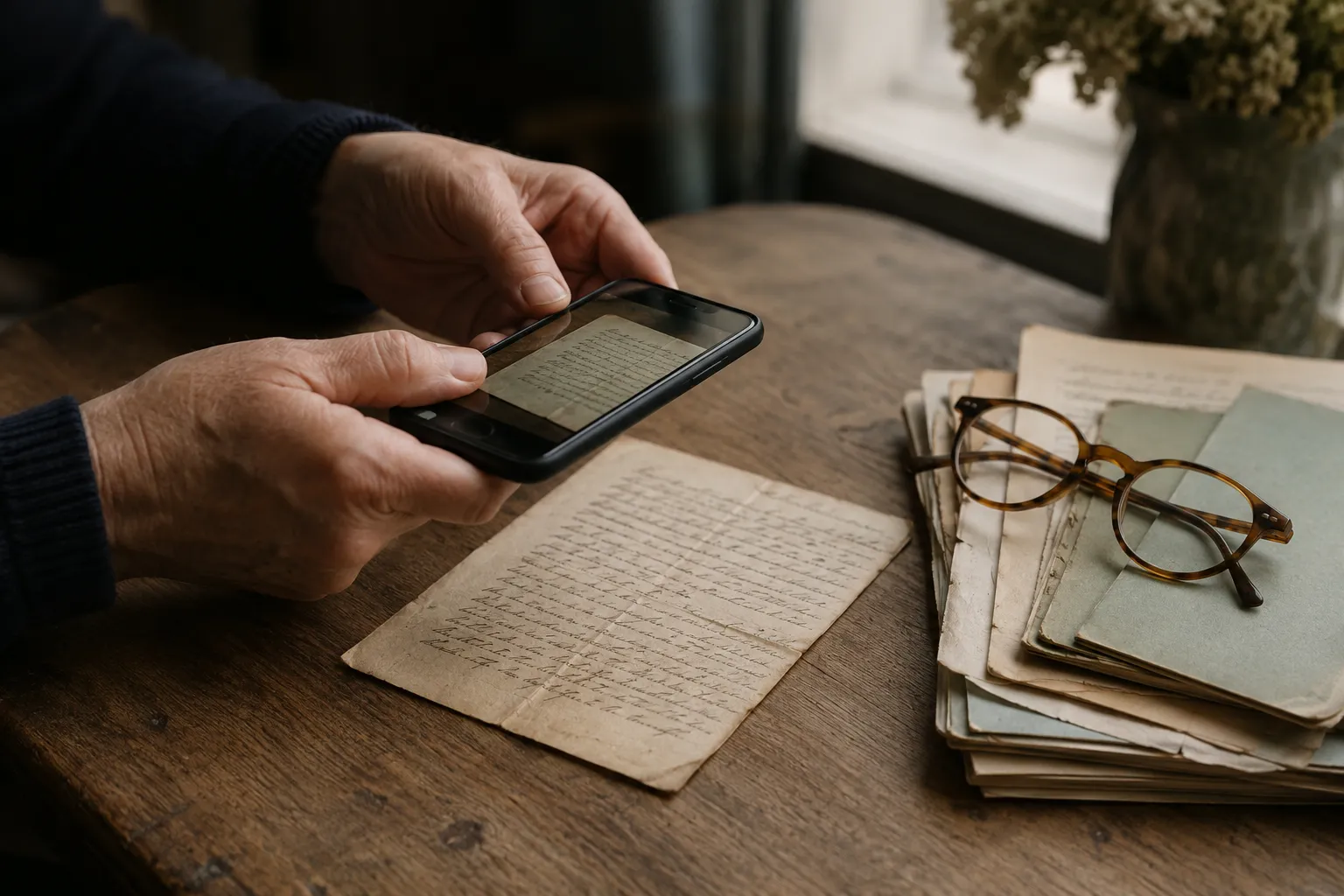
If you are holding a letter, a parish record or a diary in a hand you cannot quite make out, you do not have to decipher it letter by letter. Photograph the page, upload it, and Swoosh reads the old handwriting back as plain, typed text you can copy, search and keep. It is built for the very hands that ordinary scanners give up on, the looped, joined, faded and old. You can read old handwriting here, free to try.
Why Old Handwriting Is so Hard to Read
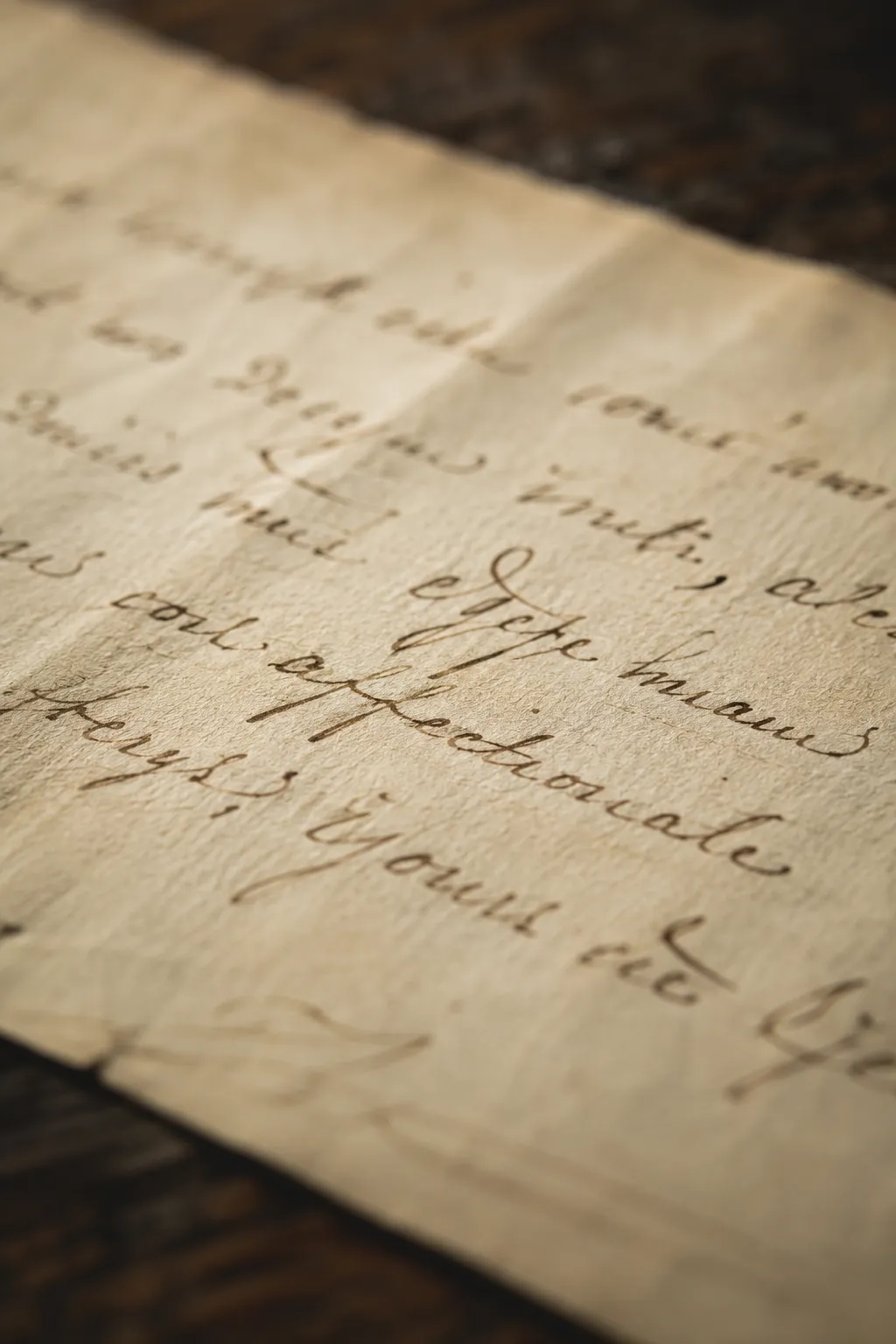
None of it was meant to defeat you. Old hands were taught in styles we no longer use, with letters that join in unfamiliar ways and a long s that looks like an f. The ink has often faded to a whisper, the spelling has drifted over the centuries, and a confident writer in a hurry abbreviated whatever they could to save paper and time. Put together, a page can feel like a code. It is not a code. It is simply a voice from another time, and it can be read.
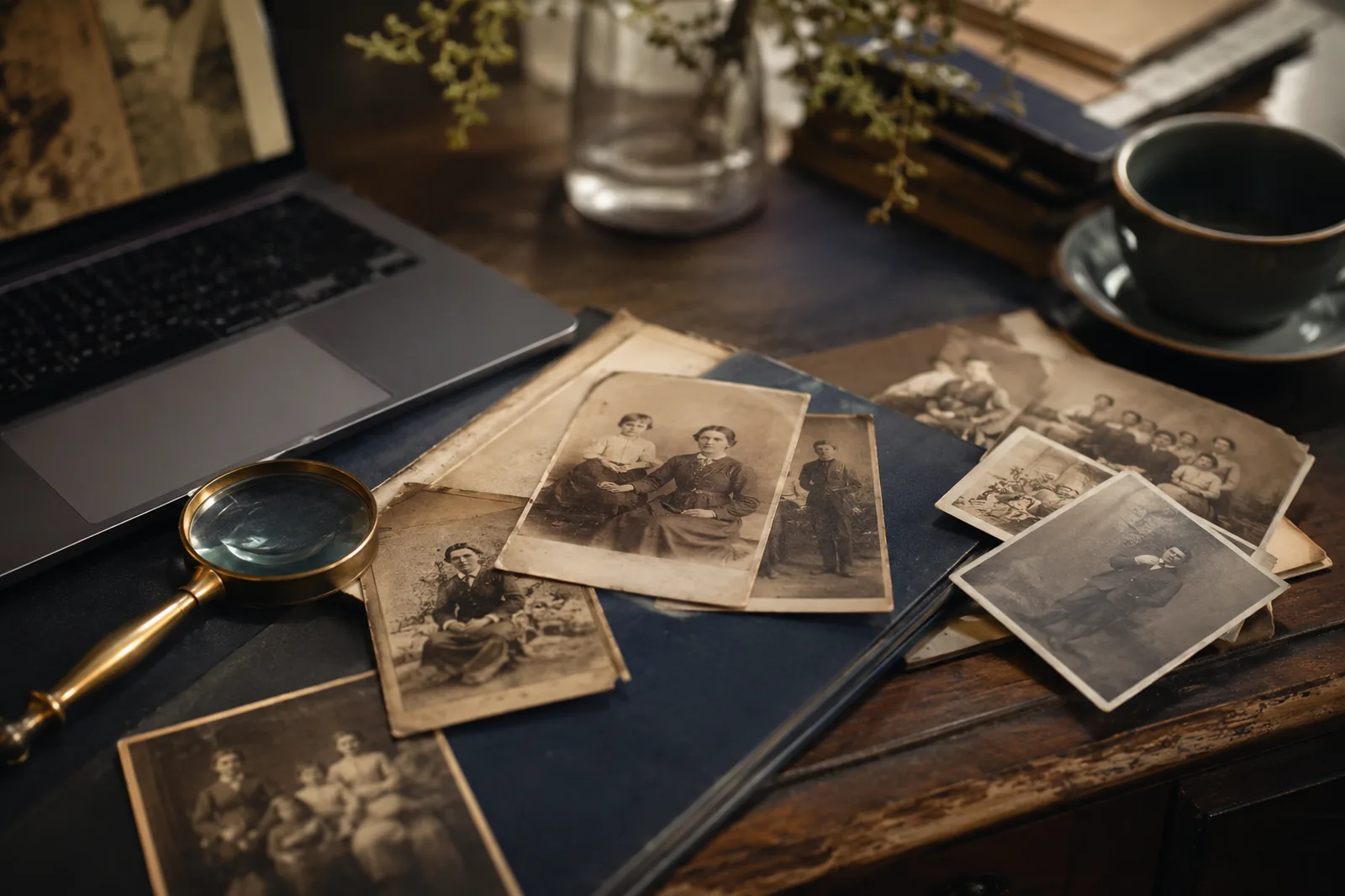
This is the everyday problem for anyone tracing a family tree, reading a box of wartime letters, or working through old census, parish or estate records where the clerk's hand is the only thing standing between you and the names.
How to Read Old Handwriting, Step by Step
1. Photograph or scan the page in good, even light, laid as flat as it will go. A phone is fine.
2. Open the handwriting reader and add the image.
3. Read the typed text back beside the original, so you can follow the hand and the transcription together.
4. Where a word is genuinely ambiguous, the kind even a person would squint at, correct it by eye, then copy or save the finished text.
What Happens to Your Page
To read the writing, the image is sent to a model that does the reading, and we do not keep your images or use them to train anything. An old letter or record is often the only one of its kind, so it matters that nothing is kept.
When the Hand Is Very Faint
Some pages ask a lot, a water stain across a word, ink that has all but vanished, a letter crossed over itself to save paper. Read what comes back against the original and trust your own eye for the rest. You know the names and places in your own history better than any tool ever will. The point is to do the heavy lifting for you, so your time goes on the handful of words that genuinely need a person.
Ready to try? Read old handwriting. Free, no sign-up.